

1 / 2
Item number 52-DEF2
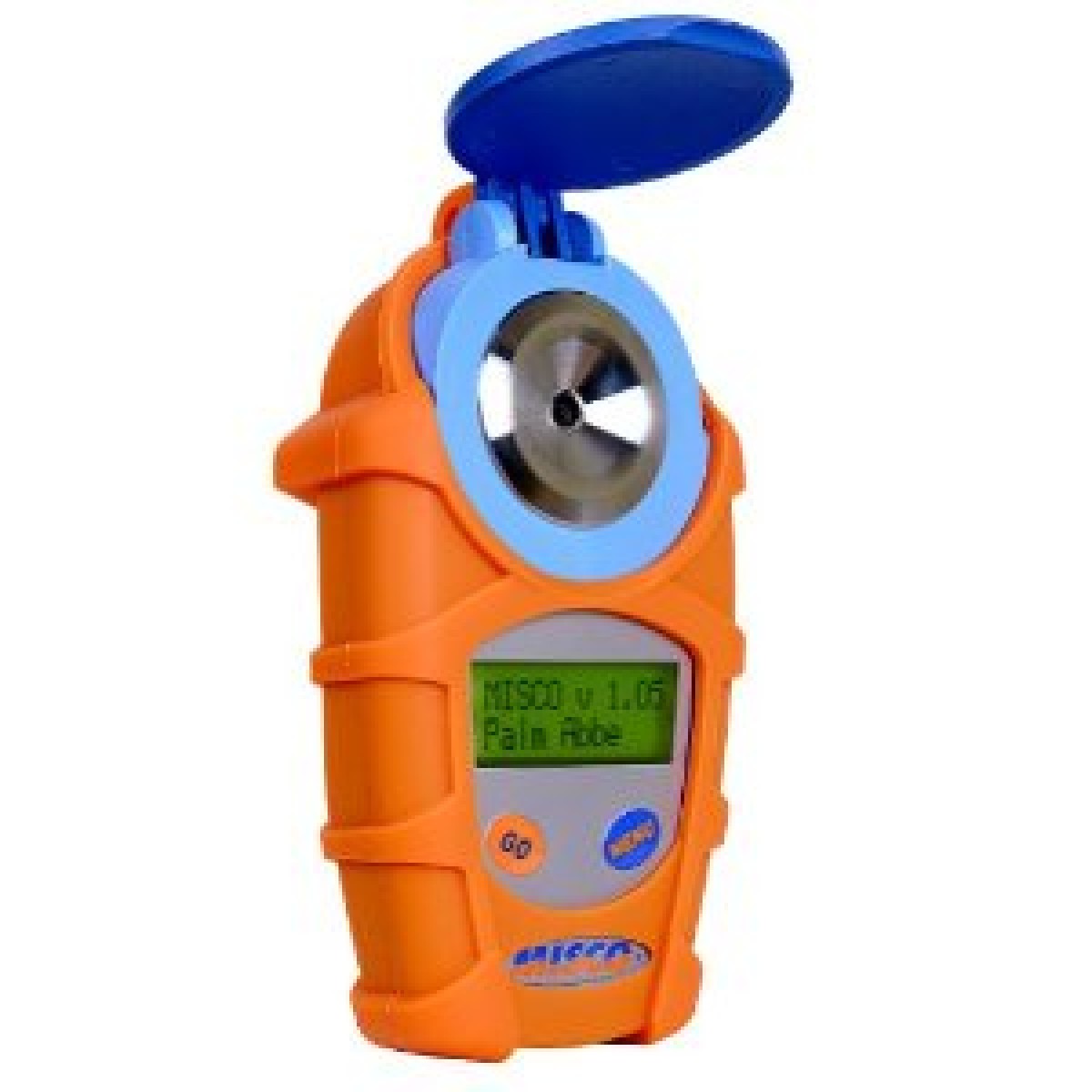
Dual-Scale Urea Refractometer for Urea-Based Diesel Exhaust Fluid (DEF)
3.862 DKK
In stock
Refractometer for Selective Catalytic Reduction (AdBlue)
Volume discount: 5 pcs: 2% · 10 pcs: 3% · 25 pcs: 5%
- We ship all over Europe
- Thermometers and measuring instruments for work and home
- Call us +46 8 753 00 04
Description
52-DEF2
52-DEF2
Since 2010, stricter requirements have been imposed on diesel-powered vehicles to comply with new, more stringent EPA emission guidelines. Vehicle manufacturers use, among other technologies, Selective Catalytic Reduction (SCR) to meet these new requirements.
Selective Catalytic Reduction systems utilize liquid urea, a nitrogen-based compound, to treat diesel exhaust in a specialized catalyst. This liquid is known as Diesel Exhaust Fluid (DEF) in the USA and AdBlue® in Europe. It consists of a very specific concentration of aqueous urea in demineralized water. This is injected into the hot exhaust gases as a fine mist, converting urea into ammonia, which in turn converts harmful nitrogen oxides (NOx) into harmless nitrogen gas and water vapor.
The Palm Abbe is the best defense against diluted DEF.
The correct concentration of Diesel Exhaust Fluid (DEF) is critical for reducing harmful nitrogen oxide emissions and extending the lifespan of SCR components. An uneven concentration of as little as +/- 0.8% will prevent the DEF liquid from performing its function. DEF dilution or contamination can affect system performance and maintenance costs. The greatest contamination threat is water dilution, but without the right tool, it is nearly impossible to know if a DEF supply has been diluted.
The Palm Abbe DEF-202 provides concrete results in just a few seconds.
The Misco Palm Abbe DEF-202 refractometer is an ideal method for testing DEF liquid to ensure it has the correct concentration and has not been diluted or tampered with. It takes only a few drops of DEF and a couple of seconds to perform a test, and the result is accurate to +/- 0.1% urea concentration.
Specification
52-DEF2
52-DEF2
Since 2010, stricter requirements have been imposed on diesel-powered vehicles to comply with new, more stringent EPA emission guidelines. Vehicle manufacturers use, among other technologies, Selective Catalytic Reduction (SCR) to meet these new requirements.
Selective Catalytic Reduction systems utilize liquid urea, a nitrogen-based compound, to treat diesel exhaust in a specialized catalyst. This liquid is known as Diesel Exhaust Fluid (DEF) in the USA and AdBlue® in Europe. It consists of a very specific concentration of aqueous urea in demineralized water. This is injected into the hot exhaust gases as a fine mist, converting urea into ammonia, which in turn converts harmful nitrogen oxides (NOx) into harmless nitrogen gas and water vapor.
The Palm Abbe is the best defense against diluted DEF.
The correct concentration of Diesel Exhaust Fluid (DEF) is critical for reducing harmful nitrogen oxide emissions and extending the lifespan of SCR components. An uneven concentration of as little as +/- 0.8% will prevent the DEF liquid from performing its function. DEF dilution or contamination can affect system performance and maintenance costs. The greatest contamination threat is water dilution, but without the right tool, it is nearly impossible to know if a DEF supply has been diluted.
The Palm Abbe DEF-202 provides concrete results in just a few seconds.
The Misco Palm Abbe DEF-202 refractometer is an ideal method for testing DEF liquid to ensure it has the correct concentration and has not been diluted or tampered with. It takes only a few drops of DEF and a couple of seconds to perform a test, and the result is accurate to +/- 0.1% urea concentration.


There are no reviews yet.